Primary hyperaldo—steronism (Conn syndrome)

Primary hyperaldosteronism is a hormonal disorder in which there is excessive production of the hormone aldosterone in the adrenal glands. This hormone regulates sodium, potassium and blood pressure levels. If the body produces too much of it, there is an increase in blood pressure and a loss of potassium.

Typical symptoms

  • High blood pressure — often in younger patients, harder to treat, despite multiple medications
  • Low potassium levels (hypokalaemia) — can cause fatigue, muscle weakness, cramps, arrhythmias
  • Increased thirst and frequent urination
  • In some patients without symptoms — detected by chance during examinations due to hypertension

Diagnostics

The examination takes place in several steps:

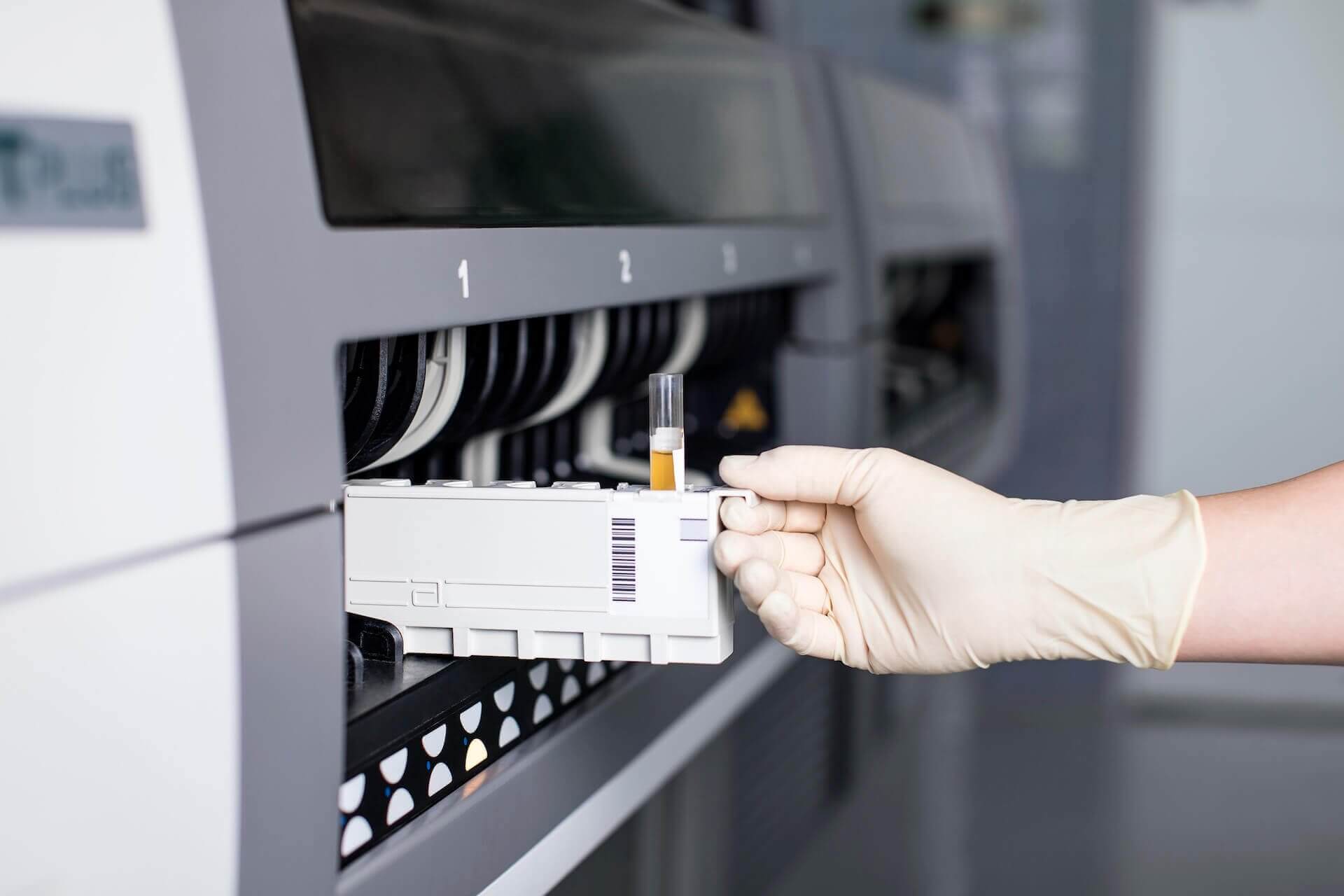
  • Blood sampling for aldosterone and renin — key screening test (aldosterone/renin ratio is calculated)
  • Before taking it is necessary follow specific instructions -- such as not taking certain medications, having a normal salt intake, etc.
  • Supplementary tests:
    • Measurement of potassium levels
    • Stress tests (e.g. infusion saline test, fludrocortisone test) — to confirm the diagnosis
  • Imaging examination (CT of the adrenal glands) — to detect focal changes (adenoma)
  • Selective sampling from adrenal veins — a specialized examination to distinguish whether it is a unilateral or bilateral type

Not sure how to proceed?

Every health problem has its own context. If you are hesitant about what is best for you, arrange a consultation. Our doctors will walk you through the situation and recommend a course of action that makes sense — professionally, sensitively, without unnecessary stress.

Causes and forms

Primary hyperaldosteronism can take several forms:

  • Adrenal adenoma (aldosteronoma) — most often unilateral finding, suitable for surgical removal
  • Bilateral adrenal hyperplasia — overproduction from both glands, treated with medication
  • More rare genetic forms (familial hyperaldosteronism)

Treatment

  • Surgical removal unilateral adenoma — often leads to a cure or a significant improvement in blood pressure
  • Treatment with medication (e.g. spironolactone, eplerenone) — for bilateral hyperplasia or inappropriateness of surgery
  • Lifestyle adjustment — salt restriction, diet, blood pressure and potassium monitoring

Long-term monitoring

Patients should be monitored regularly for possible changes in blood pressure, kidney function and potassium levels. In the case of surgical treatment, it is necessary to check the effectiveness and adjust the medication.

Our team provides patients with clear information about test preparation as well as treatment options and tailored recommendations.

Other diseases