Adrenal incidentalomas

An adrenal incidentaloma is an accidentally found deposit in the adrenal gland that is discovered during an imaging examination performed for another reason (e.g. CT of the abdomen due to back pain). Most of these findings are benign and do not produce hormones, but some may be functional (hormone-producing) or, rarely, malignant.
What is Adrenal Incidentaloma?

  • Unexpected finding of a deposit in the adrenal gland larger than 1 cm
  • Most often these are non-functional benign adenomas
  • In a smaller percentage of cases, it may be a hormone-active tumor or cancer

What types of tumors can the finding hide?

After the finding, 2 key questions are always evaluated:

  1. Is the tumor hormonally active?
    (e.g. cortisol — Cushing syndrome, aldosterone — Conn syndrome, catecholamines/metanephrins — pheochromocytoma)
  2. Is the tumor potentially malignant?
    (size, appearance, growth over time, finding on CT, MRI, or PET)
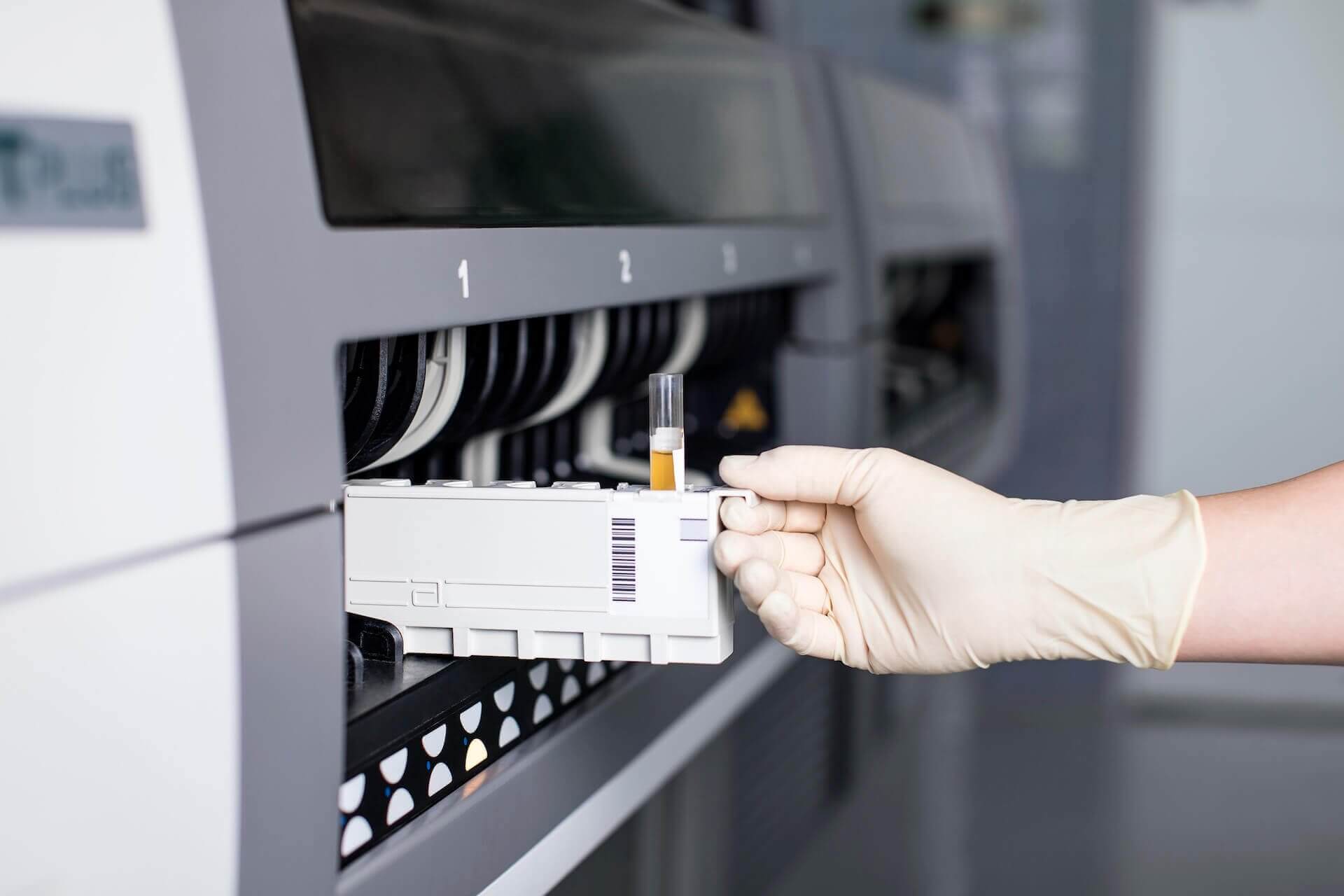
  • Hormonal examination — taking tests for cortisol (including dexamethasone test), aldosterone, renin, metanephrine
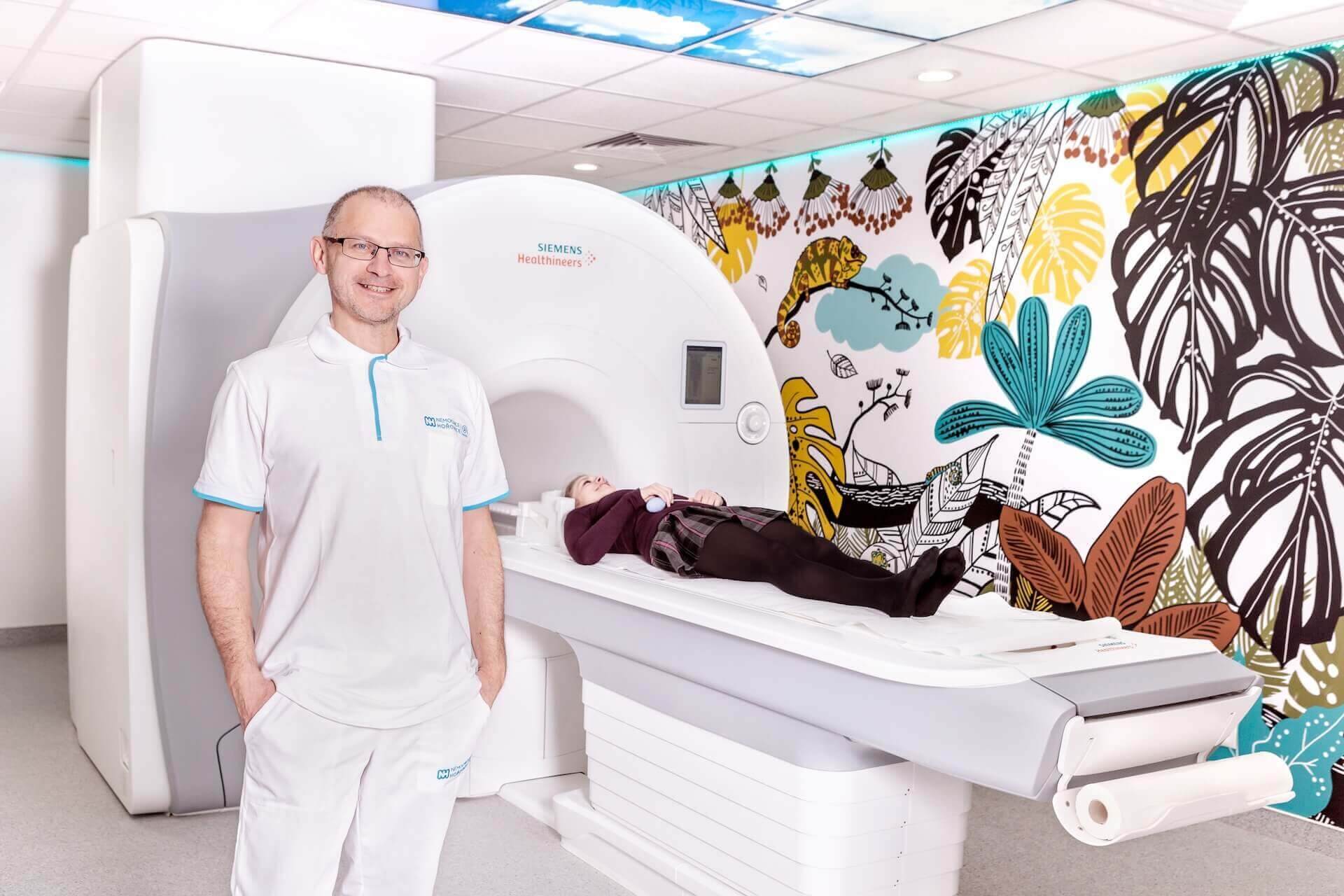
  • Imaging methods — CT/MR to assess structure and risk features (e.g. size over 4 cm, irregular margins)
  • Tracking in time — for small and non-functional findings, a repeat of the imaging examination is recommended after 6-12 months

Not sure how to proceed?

Every health problem has its own context. If you are hesitant about what is best for you, arrange a consultation. Our doctors will walk you through the situation and recommend a course of action that makes sense — professionally, sensitively, without unnecessary stress.

When does the tumor need to be removed?

Surgical removal is recommended:

  • If the finding is hormonally active
  • If the size is over 4-5 cm and the tumor has a specific image on CT or MRI
  • If during monitoring the tumor increases in size or has suspicious signs

How is the monitoring done?

  • For small, inactive findings, it is recommended:
    • Hormone control after 1 year, sometimes it is possible to repeat 1x again in a year
    • Imaging control in 6-12 months
    • Long-term follow-up in the event of a stable finding is not always necessary

Support for patients

Our team at the Adrenal Endocrine Tumor Center offers patients with randomly identified findings:

  • Evaluation of all necessary tests
  • Clear recommendations for further action
  • Explanation of risks and possibilities

Other diseases