Incidentalomas of the adrenal glands

Incidentaloma is a tumor of the adrenal gland larger than 1 cm that is accidentally caught on imaging examination (e.g. CT or MRI of the abdomen) performed for other reasons — often because of abdominal pain, kidney or spinal examination.
If the patient has a known tumor outside the adrenal gland and a lesion in the adrenal gland is detected during staging or dispensarization, This is not a true incident. — it may be metastasis and the procedure is different.

How common are incidentalomas?

  • Para personas under the age of 40 Incidentalomas are rare.
  • With increasing age The incidence increases significantly — most often occurring between 50 and 80 years of life.
  • In persone oltre 80, la frequenza è almeno 10%.
  • In the Czech Republic, the incidence of incidental diseases is estimated at 2-5% of the population, i.e., up to 500,000 persone.

A significant proportion of their more frequent capture has wide use of imaging methods in modern medicine.

What is the purpose of the examination?

When accidentally finding a foci of the adrenal gland, it is necessary to answer four basic questions:

  1. Is the finding workable?
    (Does it produce hormones that can affect the body?)
  2. Is it a benign or malignant tumor?
    (What is the risk of cancer?)
  3. Is adrenal dysfunction present?
    (Especially with findings on both sides.)
  4. Is it necessary to remove the bearing surgically?

Tipos de tumoras

Benign tumors (benign)

  • Adenomas rich in fat — make up 70% of all findings, they usually do not produce hormones.
  • Myelolipomas y cystas Uncommon, often without clinical significance.
  • Sometimes the adrenal glands can also affect infeccionesthat mimics a tumor.

Malignant tumors (malignant)

  • Adrenocortical carcinoma (ACC) — aggressive tumor of the adrenal cortex.
  • Pheochromocytoma — can be malignant, often hormonally active.
  • Lymphoma Usually part of a systemic disability.
  • Sarcomas (leiomyosarcoma, angiosarcoma, liposarcoma) -- very rare.
  • Neuroblastoma Typical for children's age, but also possible for adults.
  • Metastases — adrenal glands may be affected by tumors from other organs.
  • Schwannoma, neurofibroma, ganglioneuroma Usually benign, but may be related to genetic syndromes.

Typische symptomen

En meeste casos patients have no symptoms -- the finding is accidental.

However, some have symptoms that may be related to hormonal activity of the tumor, e.g.:

  • increased blood pressure,
  • increased levels of sugar and fats in the blood,
  • Osteoporosis,
  • difficult-to-affect obesity.

Attenção: If they are affected both adrenal glands, the so-called “can” occur. adrenal insufficiency — a condition with a deficiency of vital hormones. Untreated condition can be life threatening.

Diagnostics

Anatomic imaging methods

  • CT (computed tomography) — preferido método.
    • <10 HU (native CT) -- probably benign.
    • 10—30 HU — suspicious bearing, requires monitoring.
    • >30 HU — high suspicion of malignancy → specialist examination required.
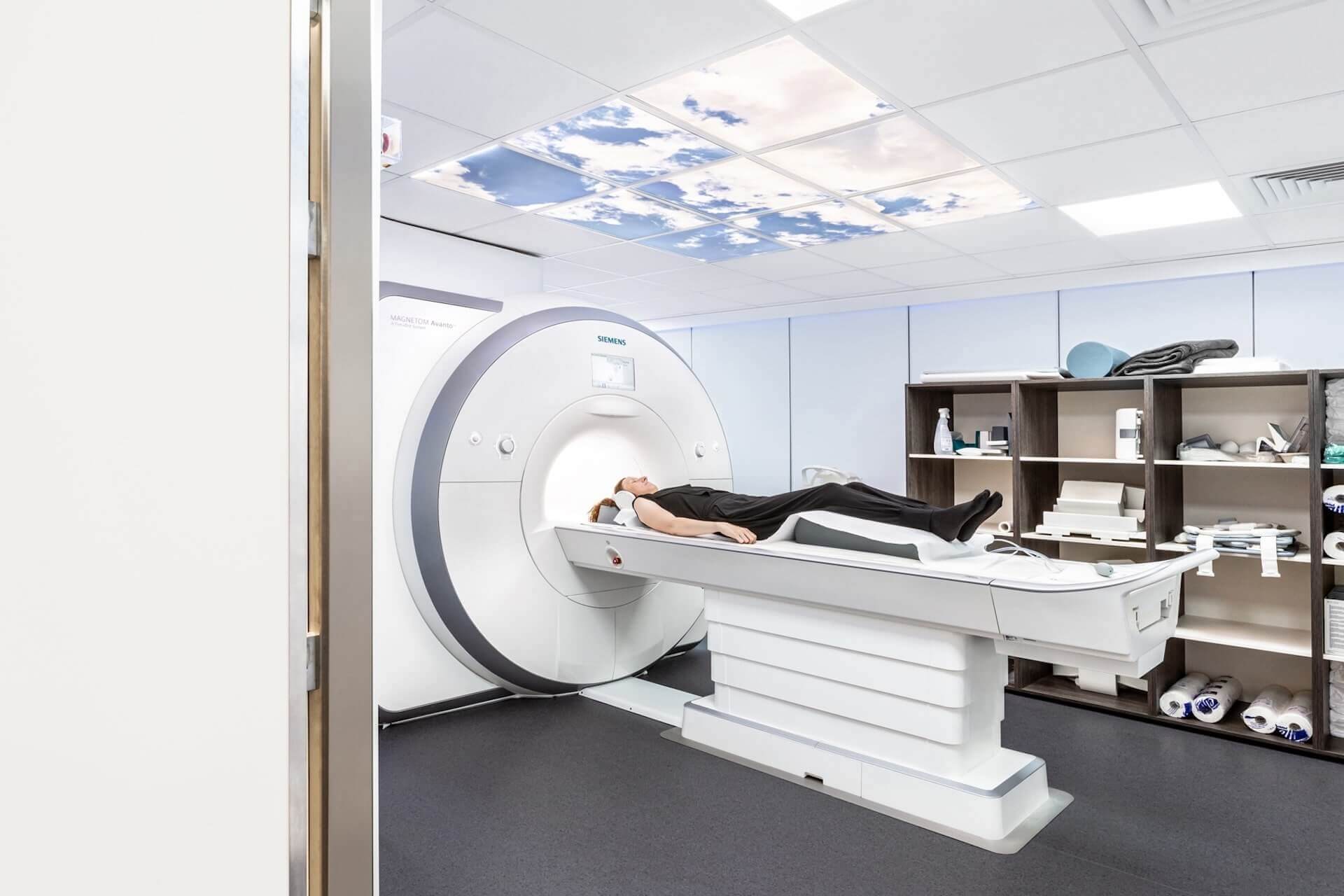
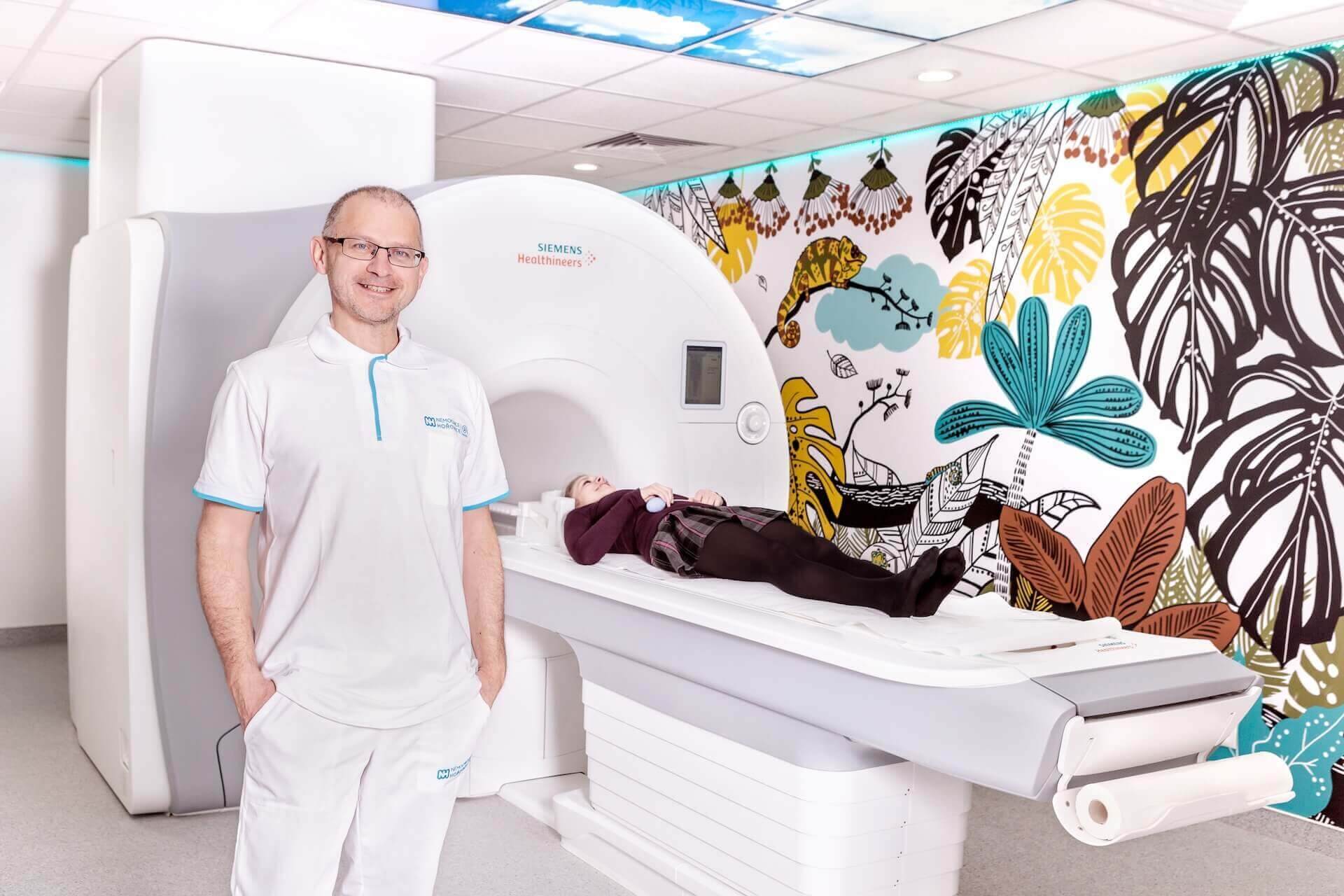
  • MRI (magnetic resonance imaging) — an alternative method, often complementary to CT.

Notes Imaging alone will not reveal the hormonal activity of the bearing.

Not sure how best to proceed?

Every case is different. If you are not sure how to proceed further in a patient with a suspected adrenal tumor, please contact us. Together, we will assess the situation and recommend the next professional procedure — quickly, factually and in partnership.

contact us

or

call +420 233 555 000

Call Mon-Fri 7:30 — 19:00

Biochemical examination

Every patient with incidentaloma should undergo:

  • hormonal activity tests — especially on cortisol, aldosterone, catecholamines.
  • risk assessment of the so-called “silent” Cushing syndrome 50% of patients may have increased cortisol production, even if there are no obvious symptoms.

Functional imaging

  • FDG PET/CT — recommended when a malignant finding is suspected.
    • Most malignant tumors of the adrenal glands tend to PET-positive.

Treatment options

The choice of therapy depends on:

  • tumor size,
  • hormonal activity,
  • suspicion of malignancy,
  • state of health of the patient.

Surgical treatment

Indicated when:

  • proven hormonal activity,
  • suspicion of malignancy,
  • rapid growth of the bearing.

Alternatives

If the operation is not possible, the following are considered:

  • radiofrequency ablation (RFA),
  • cryotherapy.

These performances should be performed by an experienced team in a specialized center.

Aanbevolen

  • Each incidentaloma must be hormonally examined.
  • Biopsy is usually not recommended, a lymfoma ou a known primary tumor outside the adrenal gland.
  • For Bilateral Findings it is necessary to exclude adrenal insufficiency.

Patienti con incidentaloma deve essere long-term monitoring in a specialized centerwho has experience with endocrine tumors of the adrenal glands.

Další onemocnění