Some adrenal tumors, such as adrenocortical carcinoma, pheochromocytoma, or bilateral macro- or micronodular hyperplasia of the adrenal cortex, can lead to excessive secretion of cortisol, the main glucocorticoid produced by the adrenal cortex.

In most patients, clinical signs of hypercortisolism (Cushing's syndrome, or elevated cortisol levels) appear relatively early. The most common manifestations include:
However, if this endocrine disorder is not thought of in time -- especially in patients with already present obesity, hypertension, or menstrual cycle disorders -- the symptoms may be overlooked or attributed to other chronic diseases. This leads to delay in diagnosis and the subsequent increased risk of cardiovascular and metabolic complications.
A basic step in the diagnosis of Cushing's syndrome on the background of an adrenal tumor is a careful clinical assessment of the patient's condition, followed by a detailed biochemical and imaging examination.
When assessing the hormonal activity of a tumor with a suspicion of autonomic cortisol production, it is necessary to conduct targeted Endocrinological examination.
The basic diagnostic tests are:
These tests make it possible to differentiate autonomic cortisol secretion from other forms of hypercortisolism and are key to confirm the diagnosis of Cushing's syndrome.
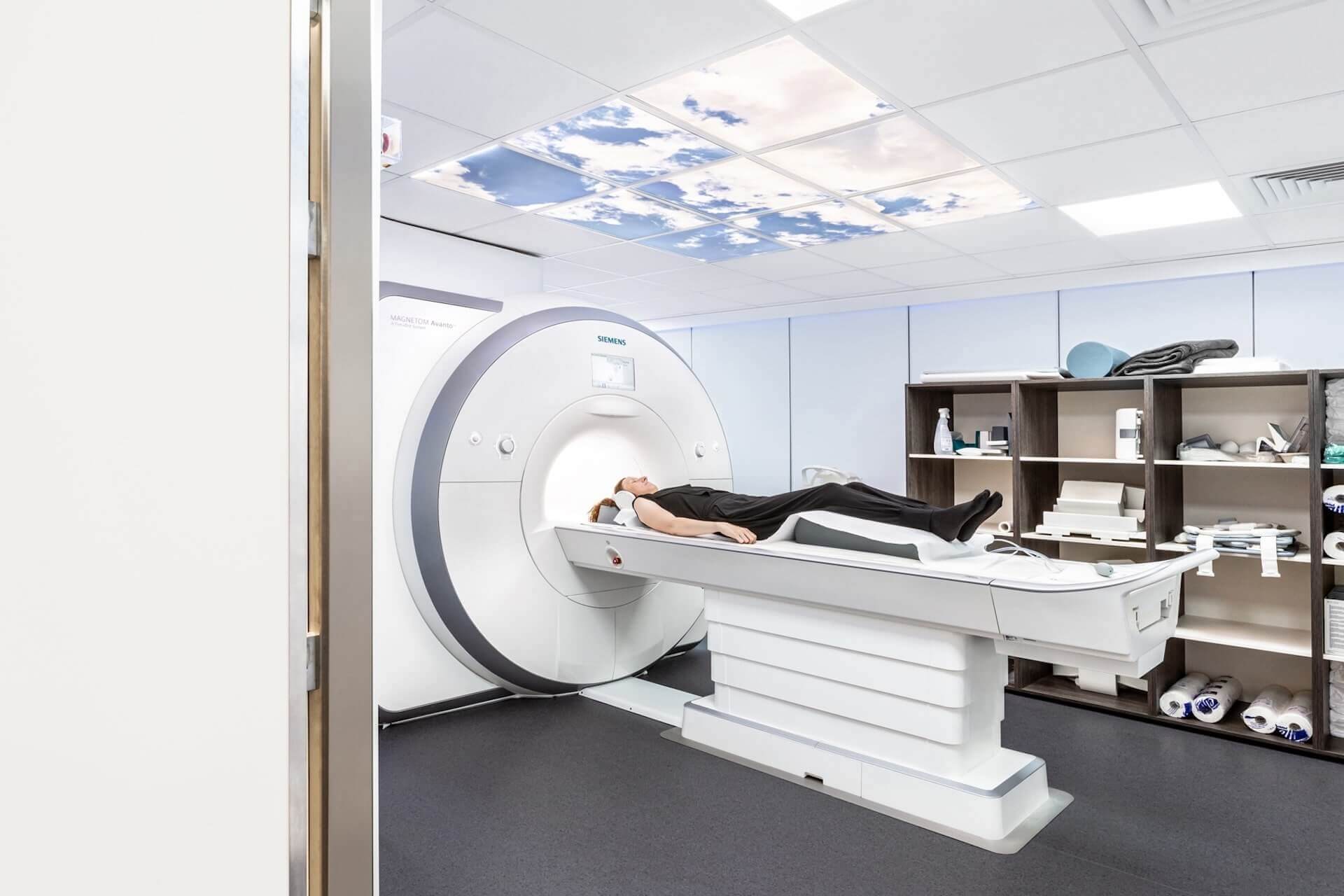
Since in most patients with elevated cortisol levels, the cause is adrenal tumor (often ACC), is a contrast examination of CT and MRI requisite for locating and assessing the size and character of the bearing.
Every case is different. If you are not sure how to proceed further in a patient with a suspected adrenal tumor, please contact us. Together, we will assess the situation and recommend the next professional procedure — quickly, factually and in partnership.
When suspected of a tumor with increased cortisol production, it is recommended to perform:
This method can help differentiate benign and malignant lesions and evaluate possible metastatic spread.
In the case functional, suspicious or malignant lesions, or Tumors with significant growth, represents Surgical resection standard therapeutic approach.
If surgery is not possible — e.g. due to the patient's general condition or advanced disease — it is indicated pharmacological treatment.
According to the type of tumor, treatment may include:
Therapy should always be conducted within specialized endocrinological or oncological department with multidisciplinary approach.
For any patient with Cushing's syndrome on the background of an adrenal tumor, it is essential:
A comprehensive approach allows for early therapy, improves the prognosis and reduces the risk of complications.

%20(1).png)
.jpg)