Adrenocortical carcinoma (ACC)

Adrenocortical carcinoma is a rare but highly aggressive malignant tumor of the adrenal cortex. It can produce hormones and cause severe clinical symptoms, or be so-called. “mute” and revealed only at an advanced stage. Timely diagnosis and treatment in a specialized center is key.
What is adrenocortical carcinoma?

  • Malignant tumor emerging from the adrenal cortex
  • It affects approximately 1-2 people per million each year
  • It can be hormonally active (e.g. excess cortisol, androgen hormones) as well as inactive

How does it manifest itself?

  • Cushing's syndrome — increased cortisol: weight gain, weakness, high pressure, diabetes
  • Virilization in women — excess androgen hormones: hair growth, acne, menstrual changes
  • Local symptoms — pain in the side or back
  • However, the tumor can be asymptomatic for a long time and manifest itself only at an advanced stage

Diagnostic procedure

  • Hormonal profile — tests e.g. on cortisol, DHEA-S, androstenedione, testosterone, 17-OH progesterone
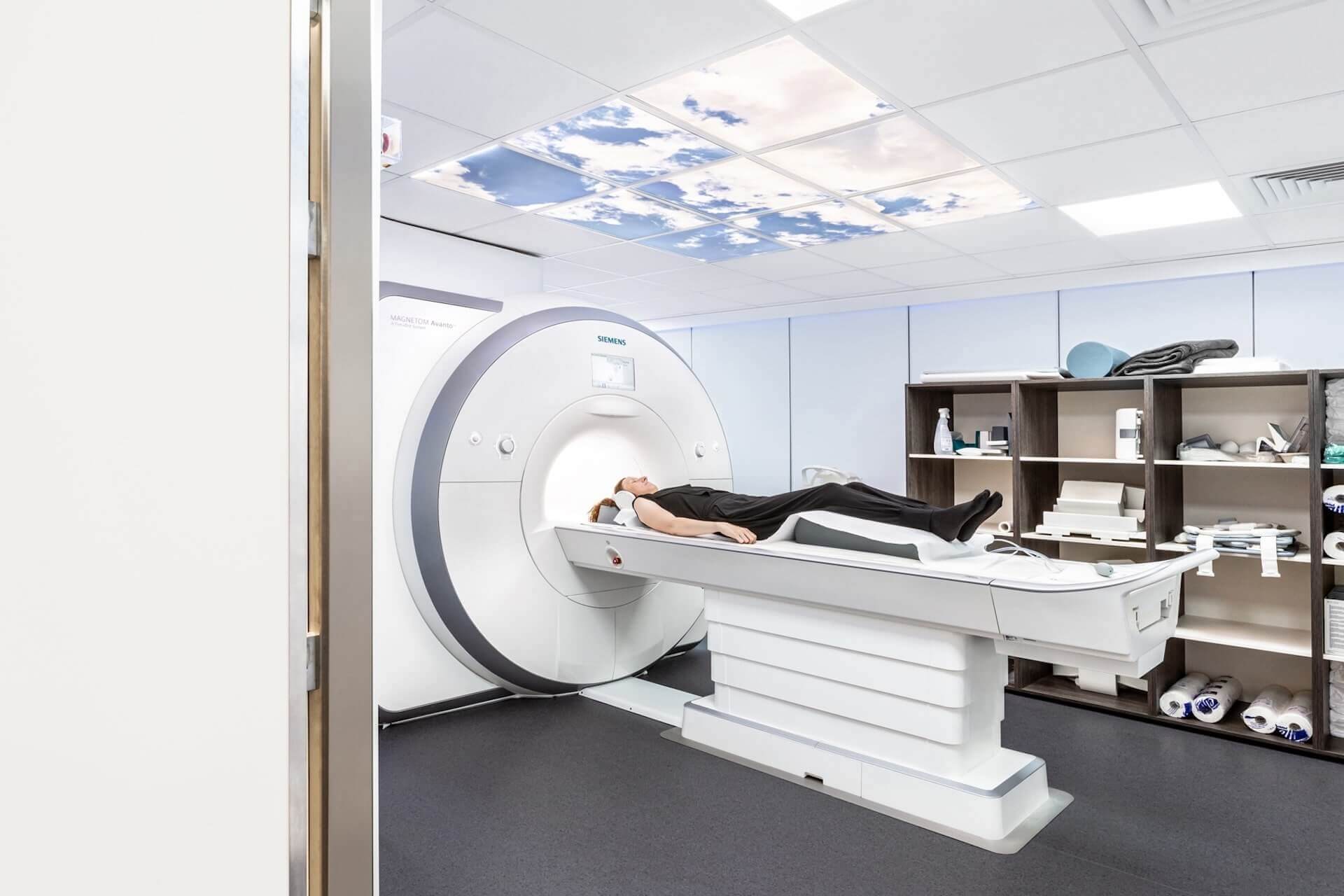
  • Imaging methods — CT/MRI to assess size, local infiltration and metastasis
  • Functional imaging methods — PET/CT (e.g. 18F-FDG) to evaluate tumor activity and extent
  • Biopsies are not normally performed — there is a risk of spreading the tumour

Not sure how to proceed?

Every health problem has its own context. If you are hesitant about what is best for you, arrange a consultation. Our doctors will walk you through the situation and recommend a course of action that makes sense — professionally, sensitively, without unnecessary stress.

Treatment

  • Surgical intervention — complete removal of the tumor (adrenalectomy) is a fundamental step
  • Adjuvant treatment — administration of mitotane, a specific adrenolytic, in high-risk tumours
  • Oncological treatment — in advanced stages of chemotherapy (e.g. EDP-M) or radiotherapy
  • Treatment should take place in centers with expertise in ACCbecause the prognosis depends on the precise procedure

Follow-up after treatment

  • Long-term monitoring is essential
  • Regular hormone tests and imaging checks (e.g. every 3 months in the early years)
  • Risk of recurrence even after a long time

Support for patients

At the Adrenal Endocrine Tumor Center, we provide:

  • Diagnosis and treatment according to the latest protocols (ENSAT etc.)
  • Multidisciplinary approach with links to oncology and surgery
  • Patient care even after treatment, including psychological and nutritional support

Other diseases