
%20(1).png)
When a finding on the adrenal gland does not indicate cancer: how to distinguish benign and malignant tumors?
A finding on the adrenal gland does not automatically mean cancer. How to distinguish benign and malignant foci and when is surgery needed?
Introduction:
Imaging examination revealed a deposit on the adrenal gland. Sounds scary -- but most of these findings are actually benign. How to know when it is a serious problem and when all you need is careful monitoring?
What are benign and malignant tumors?
- Benign tumors are benign. They don't spread further and mostly don't grow aggressively.
- Malignant tumors (cancers) are malignant. They can grow into nearby tissues and metastasize (spread to other organs).
In the case of adrenal glands Most of the tumors are benign — most often called “tumors”. adrenal incidentalomas, discovered accidentally on examination for another reason.
What factors play a role in tumor evaluation?
- Size
- Tumors smaller than 4 cm are very often benign.
- In foci larger than 6 cm, suspicion of malignancy is already growing.
- Display properties
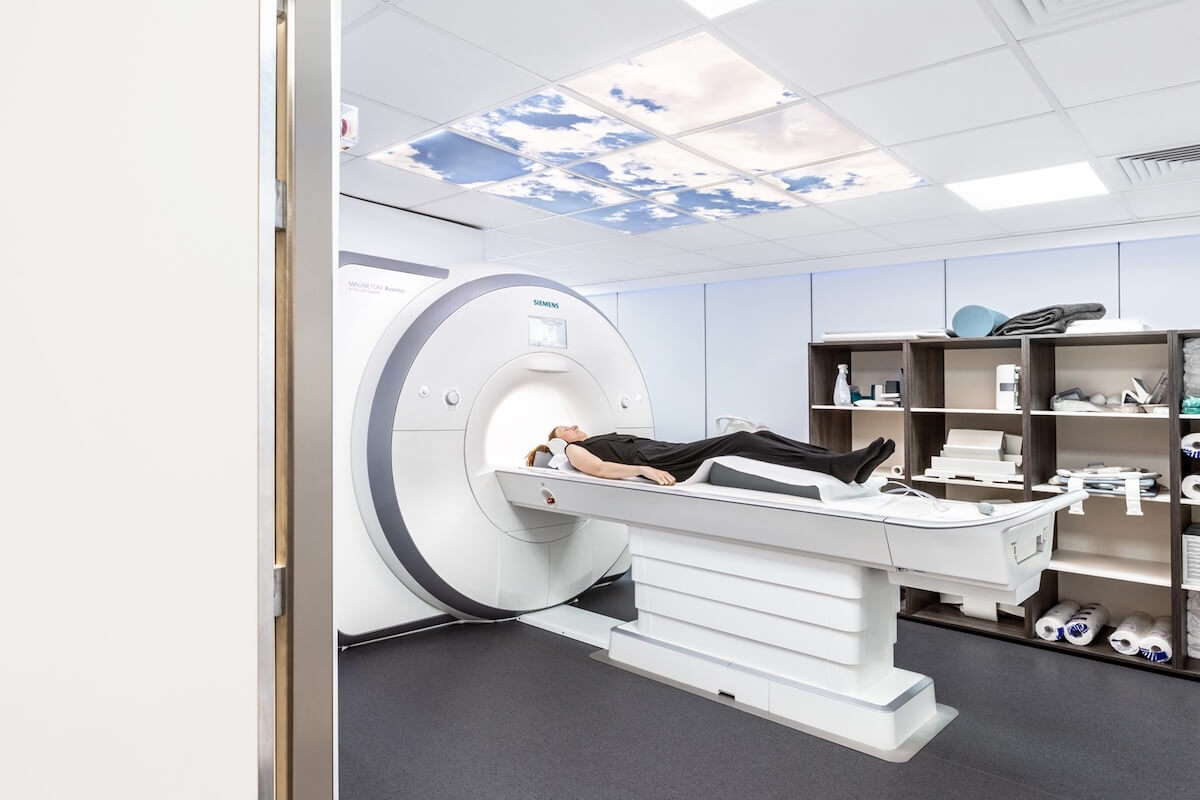
- CT (computed tomography) and MR (magnetic resonance imaging) help to distinguish benign from suspicious foci.
- For example, a low value in the so-called Hounsfield units on CT indicate benignity (often lipomatous adenomas).
- Hormonal activity
- Some benign tumors may be functional — secreting hormones (e.g. cortisol, aldosterone).
- Malignant tumors can also be hormonally active, but also so-called mute (without hormone production).
- Growth rate
- Tracking the finding over time (e.g. after 6 and 12 months) helps determine whether the tumor is growing.
- Stable size is an auspicious sign.
Typical examples
- Benign tumor:
- Adrenal adenoma, often non-hormonal
- Lipoma, cyst
- Incidentaloma without growth, without hormonal activity
- Malignant tumor:
- Adrenocortical carcinoma (ACC)
- Metastases from other tumors (e.g. lung, breast, kidney)
- Aggressive pheochromocytoma
What if the doctor finds the bearing accidentally?
This happens often — until 4-7% The adult population has an accidental finding on the adrenal glands. Most of these cases are not a reason for panic. The important thing is:
- Pass a thorough hormonal screening
- Pass quality imaging diagnostics
- Consider regular check-ups
Prof. Karel Pacák states:
“For any random finding in the adrenal gland, it is key to combine biochemistry, imaging techniques and clinical experience. Early recognition of a malignant lesion can mean the difference between life and death. “
When to approach the operation?
Surgical removal of the tumor is considered:
- If the tumor produces hormones
- If he has suspicious display signs
- If grows in time
- At the size above 4-6 cm (depending on individual risk)
Summary
Not every adrenal tumor is cancer. Most findings are benign and do not require immediate surgery. The key is proper diagnosis, monitoring and cooperation with experts. Center led by Prof. Pacákem is one of the few workplaces that combine interdisciplinary expertise, detailed hormonal analysis and cutting-edge imaging technology.


